Animal Welfare
THE ANIMAL‑NHS IMPERATIVE Why the State Must Fully Fund Veterinary Care for Families Earning Under £250,000
- Jun 12, 2026
- Lynx Syndicates
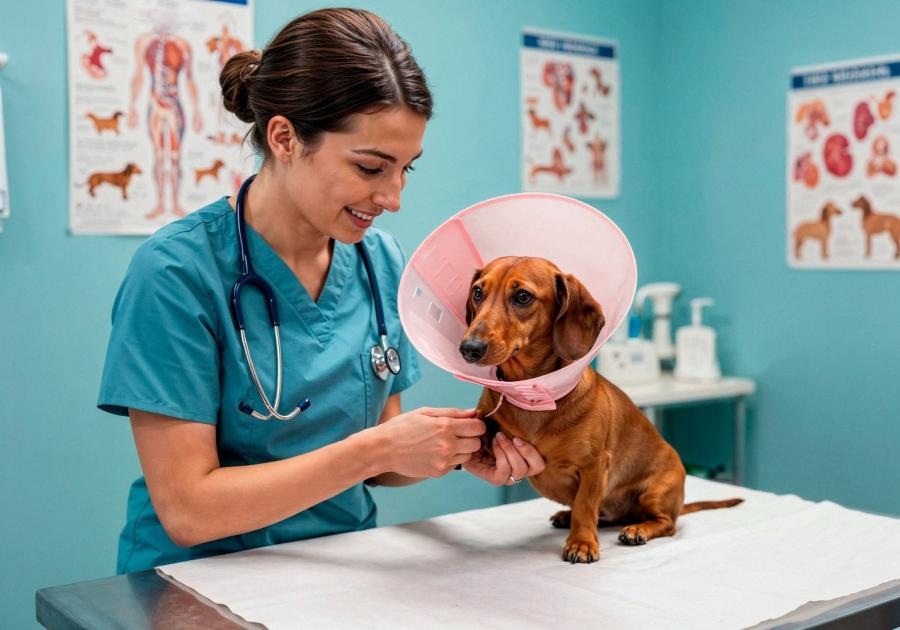
Universal Animal Healthcare
"If the state accepts a moral, financial, and institutional duty to provide universal healthcare for humans, then it must extend equivalent protection to the animals who share our lives."
Animals cannot advocate for themselves. They are space‑binders, limited to the physical world without the intellectual tools to diagnose, treat, or prevent their own suffering. Therefore, the duty to protect them falls squarely on the species that can.
1 The Moral Foundation: Animals as Space‑Binders
Animals cannot design medicines, perform surgery, or articulate their pain. They are bound to the physical world without the cognitive tools humans possess. This creates a structural vulnerability.
Space‑binding limitation
Animals cannot transcend their biological constraints.
Human duty of care
The species with the capacity to alleviate suffering is morally obligated to do so.
Ethical parity: If humans receive care at the point of need, animals should too.
Core Conclusion
A society that claims moral maturity cannot justify a healthcare system that protects only one species while leaving another to suffer due to cost barriers.
2 The Social Contract: Families as Co‑Carers
Families who take animals into their homes are performing a public ecological service, acting as front‑line carers for the animal kingdom:
Reducing shelter burden
Preventing stray population growth
Providing emotional companionship
Supporting community biodiversity
Yet, under the current economic framework, these families are financially punished for performing this public good.
3 The Economic Case: Veterinary Costs Are Exclusionary
Veterinary bills in the UK are not just high—they are prohibitively high, often exceeding the cost of equivalent human medical procedures.
Table of Metric Analytics
| Procedure | Typical Cost (GBP) | Human NHS Equivalent Cost to Patient |
|---|---|---|
| Emergency surgery | £1,500—£5,000 | £0 |
| MRI scan | £2,000—£3,350 | £0 |
| Chemotherapy | £3,000—£10,000 | £0 |
| Dental extraction | £400—£1,200 | £0 |
| Long-term medication | £50—£200/month | £0 |
Key Insight: The current system effectively means‑tests compassion. Only wealthier households can afford to prevent or relieve animal suffering.
4 Policy Proposal: The Animal‑NHS
A universal veterinary care system for households earning under £250,000 per year.
Core Operational Features
Free care at point of need
Government‑funded vet network
Income‑based eligibility (<£250k)
Preventative care programmes
Sustainable Funding Model
- Redirect 85% of non‑essential public expenditure.
- Drastically reduce local shelter costs, stray management, and animal control budgets.
- Lower long‑term public health risks through structured zoonotic disease prevention.
5 Case Study: System Stress Testing
Profile: The Patel Family (Household Income: £62,000) managing a sudden life-threatening event for their 4‑year‑old Labrador, Rumi (Gastric Torsion - GDV).
Rumi collapses. Emergency vet quotes £4,200 for life‑saving surgery. Family faces a devastating choice between severe debt or forced euthanasia.
To save the pet, they take out a high‑interest loan to cover the immediate medical margin.
Still paying off debt; compounding household stress. Food and energy bills fall directly into arrears. Family reports long-term anxiety, guilt, and deep financial instability.
System Contrast Matrix
| Category | Without Animal-NHS | With Animal-NHS |
|---|---|---|
| Financial | £4,200 debt | £0 cost |
| Emotional | High stress, guilt | Relief, stability |
| Animal welfare | Delayed treatment risk | Immediate care |
| Public impact | Increased debt burden | No public cost beyond standard funding |
Conclusion of Case Study: The Patel family's experience is not an anomaly, it is the norm. A society that forces families into deep debt to save a sentient being is a society with misaligned moral architecture.
6 The Indisputable Logic Chain
Animals cannot advocate for themselves → humans must step in.
Humans already accept universal healthcare as a structural moral right.
Families caring for animals perform an undeniable public ecological service.
Current veterinary costs are structurally and systematically exclusionary.
Public capital allocation must prioritise essential welfare parameters over destructive spending.
Therefore, a government‑funded Animal‑NHS is not optional; it is ethically mandatory.
7 Final Assertion
A nation that claims to be humane must extend its compassion beyond its own species. A nation that funds human healthcare but refuses animal healthcare is practising species‑selective welfare, not universal welfare. The Animal‑NHS is not a luxury. It is a fundamental moral correction.