Animal Welfare
Why the Lynx Syndicates Program Will Always Protect Families With Pets
- Jun 10, 2026
- Lynx Syndicates
Executive Summary
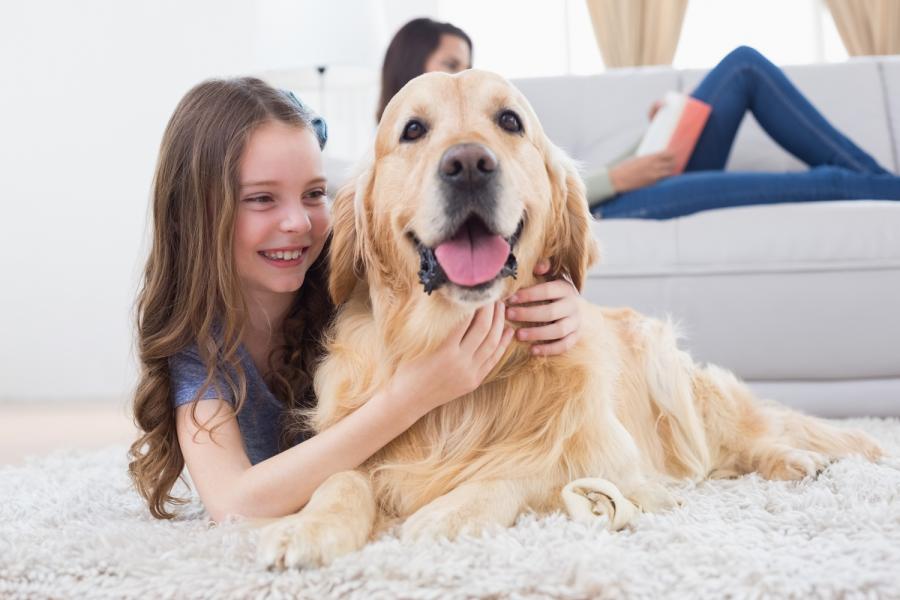
Lynx Syndicates recognises a simple, immovable truth: pets are not accessories, they are kin. They are emotional stabilisers, developmental anchors for children, and sources of continuity in households navigating instability. For this reason, the program will never disallow families with pets. Instead, it is actively exploring mechanisms to support veterinary costs, reduce crisis‑driven pet abandonment, and strengthen the protective matrix around households where animals are integral to family life.
01
The Core Principle: Pets Are Family
Within the Lynx Syndicates framework, a "family unit" is defined not by paperwork but by bonded interdependence. Pets meet every criterion:
Emotional regulation
Pets reduce cortisol, stabilise mood, and provide grounding during periods of housing insecurity.
Attachment and continuity
For children, pets are often their longest-standing emotional relationship.
Community cohesion
Companion animals increase social interaction, reduce isolation, and strengthen neighbourhood ties.
Trauma buffering
Survivors of displacement, eviction, or enforcement actions frequently cite pets as their primary source of safety and comfort.
To remove a pet is to remove a stabilising force.
To disallow a pet is to destabilise a family.
Lynx Syndicates refuses to participate in that harm.
02
The Housing Sector Problem: Pet Restrictions as Manufactured Instability
Traditional housing systems often treat pets as liabilities. This creates:
Forced abandonment
Families surrender animals to shelters due to "no‑pet" clauses.
Hidden homelessness
Households sleep in cars or unsafe spaces to avoid giving up pets.
Emotional trauma
Losing a pet compounds the psychological damage of housing precarity.
Systemic churn
Families cycle through unsuitable placements because the system refuses to accommodate their full household.
Lynx Syndicates identifies this as manufactured instability; a preventable harm created by rigid policy rather than genuine risk.
03
The Lynx Syndicates Position: Zero Compromise on Pet Inclusion
The program's stance is clear:
If a family includes a pet, then the pet is part of the household. Full stop.
This is not a sentimental position, it is a stability‑maximising strategy.
Allowing pets:
Reduces stress and stress-related symptoms
Increases household engagement with support services
Strengthens long‑term placement success
Improves mental health outcomes
Reduces crisis‑driven decisions that burden councils and charities
The data is unambiguous: pet‑inclusive housing is more stable housing.
04
Compassion as Infrastructure: How Lynx Syndicates Designs for Pets
Lynx Syndicates seriously looking how to integrate pets into its operational matrix through:
Pet‑inclusive tenancy and ownership frameworks
Behavioural support pathways for pets with anxiety or trauma
Risk‑mitigation models that replace outdated "pet deposits" with fair, evidence‑based approaches
Community‑based pet support networks
Partnerships with local animal welfare organisations
This is not an afterthought, it is built into the architecture of the program and is being coded accordingly.
05
Exploring Veterinary Support Within the Program Matrix
Lynx Syndicates is actively assessing how to integrate veterinary support mechanisms without compromising the program's financial equilibrium. Current explorations include:
Micro‑grants for emergency veterinary care
Preventative‑care vouchers (vaccinations, flea/worm treatment, microchipping)
Partnerships with low‑cost veterinary clinics
A "Pet Stability Fund" supported by philanthropic partners
Negotiated community‑rate agreements with local vets
Optional add‑on coverage for households who want predictable monthly pet‑care budgeting
Lobbying government to pick up the pet care tab
The goal is not to replace veterinary systems but to prevent avoidable crises that destabilise families and places financial strain on households caring for pets.
06
Why This Matters: The Human Impact
Families repeatedly report that:
Their pet is the reason they get out of bed
Their pet keeps their children emotionally regulated
Their pet is the only constant after eviction, enforcement, or displacement
Losing their pet would be more traumatic than losing their home
Lynx Syndicates listens to these realities. It does not design policy from abstraction; it designs from lived experience.
7. Conclusion: A Program That Protects the Whole Household
Lynx Syndicates stands apart because it refuses to fragment families.
It refuses to treat pets as optional. It refuses to replicate the cruelty embedded in traditional housing systems.
Instead, it builds a compassion‑driven, stability‑focused, family‑centred model where:
Pets stay with their families
Support is holistic
Stability is the priority
Compassion is operational, not rhetorical
The message is simple and unwavering: In Lynx Syndicates, your pets are safe because your family is safe.
Other Blogs


Share It On:


